

By Paulette Denman, LMFTA
Originally published in Mercer Island City Lifestyle, January 2026

I’ve been a parent on Mercer Island for almost 18 years. Our community thrives because of the deep commitment so many families have to raising supported, successful kids. When my boys were little, many sweet, well-intentioned people warned me about the dreaded teenage years. As I struggled to get a squirming toddler into their car seat, they’d say “Just wait until they’re teens, that’s when it gets really hard!”. I would smile and nod, but something in me resisted the idea that adolescence was to be feared.
Parenting teens is not exactly harder, but it is more complex. The risks feel bigger, the choices more permanent, and the letting go can be experienced as grief. This is a stage where I’ve doubted myself and worried, but also watched my boys come into themselves in ways I never could have predicted. It’s amazing to witness.
Understanding the Adolescent Brain

When our kids went back to post-shutdown, in-person learning, I chose to get a master’s degree to become a therapist. This was a lifelong dream, and incredibly, the stars aligned to make it happen. I entered grad school wanting to work with teens and their families. I viewed adolescence as a crucial turning point in our lives, when a little extra support can make a big impact.
Studying human development and brain research enriched my understanding of what happens during this stage. The adolescent brain goes through a major transformation. In childhood, the brain focuses on absorbing information. Adolescence sparks a process of refinement. Teens take the knowledge and experiences gathered throughout childhood and begin shaping who they want to become. It has often been described as a kind of pruning, letting go of branches that are no longer serving them and redirecting energy to what matters most. This pruning is not a malfunction; it is a sign of growth.
This massive neurological task can leave teens exhausted and unsure of themselves. Anyone who is feeling depleted is more prone to emotional or behavioral swings. Compassion and patience from the adults in their lives can soften this process, helping teens feel understood rather than overwhelmed.
All Behavior Makes Sense
The teenage years present us with new, almost existential challenges. A transfer of responsibilities is happening, and the steps taken during the high school years can feel enormously consequential. As parents, when we are stressed, we often return to familiar approaches. We might double down on rules, invent new guidelines, or step back entirely. When teenage behavior feels confusing or even frightening, rigidity or surrender can feel like the only options. Yet the truth is, all behavior makes sense in context.
I learned this early on when our youngest, at almost three years old, put about 14 different household substances into our bathroom sink. Ketchup, cotton balls, toothpaste, dish soap, and more. He simply wanted to know what would happen. That moment taught me something I now share with every parent. Behavior is communication, often revealing a need.
When we can pause and get curious about our teens’ experience, we open a door to connection. In a calm moment, asking open-ended questions that seek more than a yes-or-no response might let us in so we can better understand what is happening beneath the surface. From there, we can work alongside our teens, support them more intentionally, build trust, and offer skills they need for adulthood.
Collaboration Over Control

Dr. Ross Greene, founder of Collaborative and Proactive Solutions, states firmly, “Kids do well if they can. If they can’t, we need to figure out what’s getting in their way.” In this model of therapy, collaboration between youth and caregivers is essential, and often appreciated by teens. The process begins by identifying a problem and exploring the underlying issues, such as executive functioning challenges, difficulties with peers or a particular class. Next, we seek to understand the child’s experience and the expectations that feel mismatched or overwhelming, offering sincere empathy.
Once understanding is in place, we turn to the adults’ concerns and the reasons a particular expectation matters. Working collaboratively, we brainstorm and apply possible solutions. This approach supports the whole family and can bring hope in a time when everyone feels maxed out. Collaboration does not eliminate limits. Instead, it reframes them as shared agreements that respect both the teen and the adults, shifting the energy from conflict to partnership.
Connection is the Foundation
Raising teens is not simple. It can leave us exhausted with worry, unsure of where to turn. Seeking support shows courage and care. Our city has many resources, including school counselors through Mercer Island Youth and Family Services and therapists like me. With most of my teen clients, what they benefit from the most is feeling heard, believed, and celebrated for who they are.
We are mirrors for our children. They look to us to see themselves. Let’s reflect their worth, their strengths, and our belief that they can handle what life brings. When we stay curious and compassionate, the teen years can become some of the most meaningful years we share with them.
5 Quick Tips:
- Listen more, talk less. Teens can teach us a lot if we allow them to.
- Show interest in their interests. Discoverwhy they love what they love.
- Keep limits in place. Kind, consistent limits support safety and room to learn from mistakes.
- It takes a village. If you don’t have a support system, consider finding or building one.
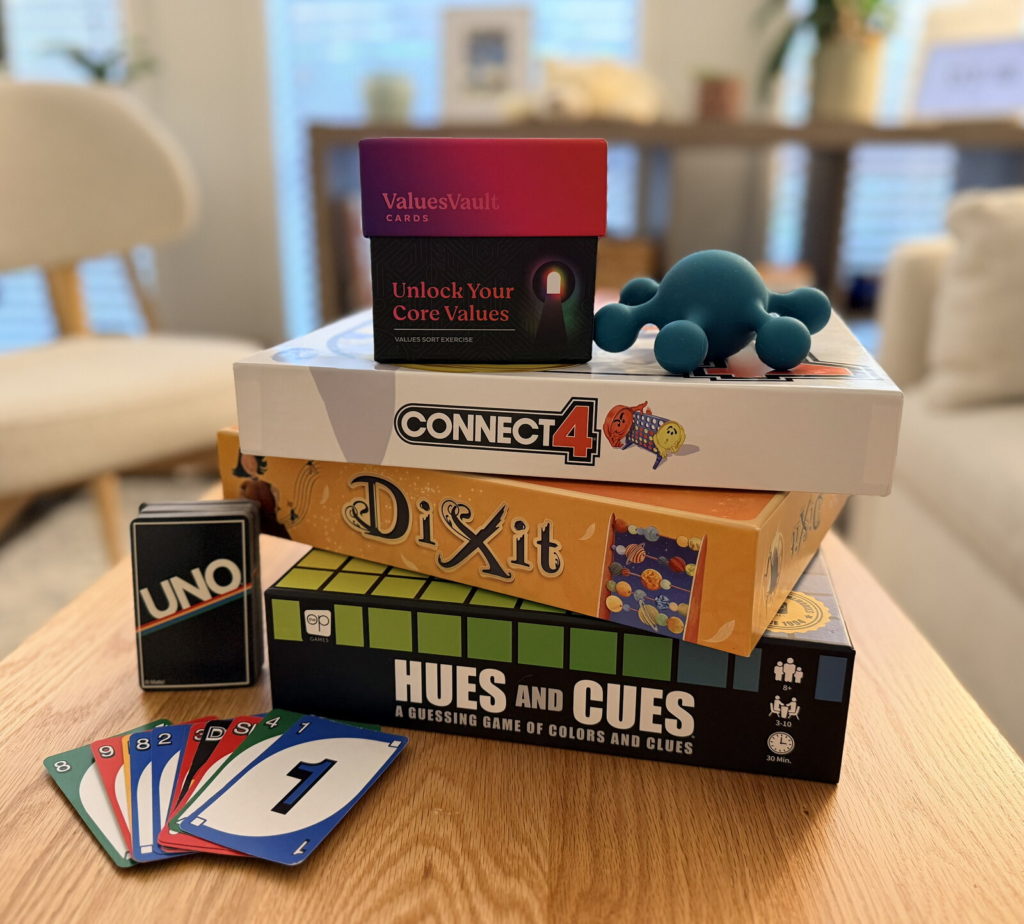
- Play! Let them choose the activity and give your undivided attention.
Bonus Tip: Repair. Apologizing and taking accountability is one of the strongest ways to reconnect. It models maturity, respect, and love.
Paulette Denman is a licensed marriage and family therapist associate. Her private practice, Magpie Therapy, is on the north end of Mercer Island, supporting clients both virtually and in-person. To connect, please visit magpie-therapy.com.